Metal Works

What Are the Benefits of Metal Gates and Fences?

metal works

A property entrance can say a lot before anyone steps inside. A strong, well-designed metal gate and fence can create an instant feeling of security, order, and style. It can frame outdoor spaces, define boundaries, and improve the overall appearance of a property in a way that feels both practical and refined. For many property owners, choosing the right gate and fence is not only about keeping an area enclosed. It is about investing in long-term durability, safety, curb appeal, and everyday convenience.

Metal Gate and Fence remain one of the most trusted choices for residential, commercial, and industrial properties because they offer a rare combination of strength and design flexibility. Whether the goal is privacy, protection, decorative appeal, or controlled access, metal can be shaped, finished, and installed to meet many different needs.

What Makes Metal Gates and Fences a Popular Choice?

Metal gates and fences are popular because they provide reliable protection while enhancing the appearance of a property. Unlike some fencing materials that may weaken, warp, crack, or deteriorate quickly, metal is known for its strength and long service life.

A metal fence can define the perimeter of a property with a clean and sturdy barrier. A matching gate provides controlled access while completing the overall design. Together, they create a secure and polished boundary that can suit many property styles.

Another reason metal is widely chosen is its versatility. Metal fencing can be simple and modern, decorative and traditional, or bold and industrial. It can be used for front yards, driveways, gardens, patios, commercial entrances, storage areas, and high-traffic access points.

The ability to combine function with attractive design makes metal gates and fences a practical option for many different applications.

Security Benefits of Metal Gates and Fences

Security is one of the main reasons property owners choose metal gates and fences. A sturdy metal barrier helps discourage unauthorized access and creates a clear boundary between private and public areas.

Metal fencing can be designed with height, spacing, and strength in mind. Closely spaced pickets, reinforced frames, and secure locking systems can improve protection while maintaining visual appeal. For properties requiring additional control, gates can be equipped with access systems, intercoms, keypads, or automatic openers.

A metal gate also helps manage vehicle and pedestrian entry. This is especially useful for driveways, private walkways, commercial properties, and storage areas. By controlling access points, property owners can improve safety and reduce unwanted activity.

The visible strength of metal can also serve as a deterrent. A well-installed gate and fence show that the property is cared for and protected.

Durability and Long-Term Value

Metal gates and fences are valued for their durability. Materials such as steel, aluminum, wrought iron, and stainless steel can withstand regular use and outdoor exposure when properly finished and maintained.

Steel offers excellent strength and is often chosen for security-focused applications. Aluminum is lightweight and naturally resistant to corrosion, making it a popular option for low-maintenance fencing. Wrought iron-inspired designs offer classic beauty and strong decorative appeal. Stainless steel provides a sleek appearance and strong resistance to rust.

A well-built metal gate and fence can last for many years. Protective coatings, paint, galvanizing, and powder coating can help prevent rust and weather damage. This long lifespan often makes metal a cost-effective investment over time.

Although the initial cost may be higher than some materials, the durability and reduced replacement needs can provide strong long-term value.

Design Options for Every Property Style

One of the greatest advantages of metal gates and fences is the wide range of design possibilities. Metal can be fabricated into many shapes, patterns, and finishes, allowing property owners to create a look that matches their space.

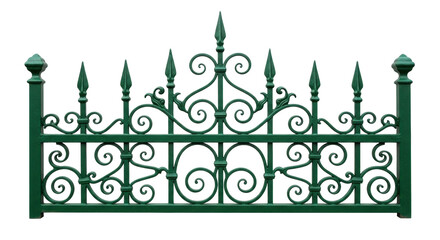
Traditional designs often include scrollwork, spear tops, arches, and ornamental details. These styles create a classic and elegant appearance. Modern designs may feature clean lines, flat bars, horizontal panels, or minimalist frames for a sleek and contemporary look.

For properties needing more privacy, metal panels can be designed with tighter spacing or combined with other materials. For a more open appearance, picket-style fencing allows visibility while still providing a boundary.

Color also plays an important role. Black is a timeless choice that works with many architectural styles, while bronze, gray, white, and custom finishes can create a more personalized effect.

Common Types of Metal Used for Gates and Fences

Choosing the right metal is an important part of planning a gate and fence project. Each material offers different benefits depending on the desired appearance, maintenance level, and security needs.

Steel is known for strength and is often used when durability is a top priority. It can be shaped into many designs and finished with protective coatings to improve resistance against corrosion.

Aluminum is lighter than steel and does not rust in the same way, making it a good choice for areas where moisture exposure is a concern. It is also easy to maintain and available in many styles.

Wrought iron is often associated with decorative and traditional designs. While true wrought iron is less common today, many modern metal fences are designed to capture the same elegant appearance using durable alternatives.

Stainless steel is often selected for sleek modern designs. Its clean appearance and corrosion resistance make it suitable for contemporary properties and high-end architectural features.

The best choice depends on the property’s needs, design goals, and expected level of maintenance.

Metal Gate Options for Convenience and Access

A metal gate can be designed in several ways depending on available space and how the entrance will be used. Swing gates are a common option for driveways and pedestrian entrances. They open inward or outward and can create a traditional, welcoming appearance.

Sliding gates are useful where space is limited or where a swinging gate would not be practical. These gates move horizontally along a track or support system and are often used for driveways and commercial access points.

Pedestrian gates provide convenient entry for foot traffic and can be installed alongside larger vehicle gates. Matching the pedestrian gate with the fence and main gate creates a cohesive design.

Automation can add convenience to many gate types. Automatic gate systems allow users to open and close gates without leaving their vehicle. This feature can improve comfort, security, and access control.

Maintenance Tips for Metal Gates and Fences

Metal gates and fences are durable, but they still benefit from routine care. Regular maintenance helps preserve appearance and extend service life.

Cleaning the surface removes dirt, dust, pollen, and debris that can build up over time. A gentle wash with mild soap and water is often enough for routine cleaning.

It is also important to inspect the finish for scratches, chips, or worn areas. If protective coatings are damaged, moisture can reach the metal underneath and increase the risk of corrosion. Touching up damaged areas helps prevent rust from spreading.

Hinges, latches, rollers, and locks should be checked periodically. Moving parts may need lubrication to ensure smooth operation. Automated gates may require additional inspection to keep motors, sensors, and access controls working properly.

With consistent care, metal gates and fences can remain attractive and functional for many years.

Choosing the Right Metal Gate and Fence Design

Selecting the right gate and fence involves balancing appearance, security, budget, and maintenance expectations. The design should complement the property while serving its intended purpose.

For decorative curb appeal, ornamental metal fencing may be ideal. For privacy, solid or semi-private metal panels may be a better choice. For high-security needs, stronger materials, taller panels, and reinforced gates may be necessary.

Professional planning is important because proper measurements, strong posts, stable foundations, and accurate installation all affect long-term performance. A well-designed system should look good, open and close smoothly, and remain stable through daily use.

The best metal gate and fence design is one that supports both practical needs and visual goals.

Final Thoughts

Metal gates and fences offer a strong combination of security, durability, beauty, and versatility. They help define property boundaries, control access, improve curb appeal, and provide long-lasting value. With many materials, styles, finishes, and gate options available, property owners can choose a solution that fits their needs and enhances the overall character of their space. Whether the design is classic, modern, decorative, or security-focused, a well-crafted metal gate and fence can become a lasting feature that improves both function and appearance.

Kitting Services

How eCommerce Fulfillment Services Help Scale Online Stores

Ecommerce Fulfillment California

Online shoppers are getting used to fast, free, and trustworthy delivery. Businesses with the right fulfillment solutions are able to handle these expectations, boosting customer loyalty and sales.

Ecommerce Fulfillment California manages inventory, picks and packs orders, and handles shipping for online retailers. They can also offer a variety of return options for customers.

1. Scalability

When ecommerce sales boom, you need a fulfillment system that can handle the increased volume quickly and accurately. Otherwise, you could miss customer expectations and damage your brand. Whether you’re a newcomer to the online retail scene or an established brand that has grown beyond your garage-based operations, your success depends on great product design, marketing, and sales, but terrific fulfillment can make the difference between success and failure.

Many ecommerce retailers use a fulfillment center to store inventory, pick and pack orders, and organize shipping. This is often the best choice for growing brands because it lets them focus on business development and customer service, while the fulfillment company handles back-office functions. The key is to choose the right fulfillment company for your needs and the type of products you sell.

Fulfillment companies can scale their operations by expanding or contracting warehousing space depending on order volumes. They also use data and analytics to optimize fulfillment costs, based on things like shipping rates, storage fees, labor, and value-added services. They can even reduce shipping times and costs by storing and picking product closer to customers.

Another way that eCommerce fulfillment companies help you scale is by taking over some or all of your shipping, returns, and logistics management. This can be a great solution for small and medium-sized businesses that don’t have the budget to hire full-time logistics staff or invest in warehouse technology. The best fulfillment companies will handle the entire back-office for their clients, freeing them up to focus on product development and customer service. They can even manage international shipping and customs compliance for their clients. This can be particularly helpful for merchants that have global supply chains, as they will need to stay on top of rapidly changing trade policies.

2. Flexibility

As the global eCommerce market continues to grow, so do customers’ expectations for fast shipping. If your company can’t deliver on this promise, you risk losing potential buyers to competitors that offer better experiences and higher customer satisfaction levels. To make sure that your shipping and logistics operations keep pace with growing demand, consider partnering with an eCommerce fulfillment services provider.

A fulfillment partner can manage all aspects of your order processing, including storage, inventory management, picking, packing and shipping. The fees involved can vary, depending on the level of service and the amount of product being stored or shipped. Whether your business is small and uses its own warehouse facility or is a large enterprise that outsources its fulfillment needs, choosing the right partner will reduce overall costs by freeing up your own staff to focus on marketing and sales initiatives.

Ecommerce fulfillment companies have established relationships with multiple carriers, allowing them to negotiate discounted shipping rates. They can also provide real-time tracking to your customers, creating transparency and fostering trust. They can even handle returns, a major consideration as more consumers expect stores to have generous return policies. In the past, many companies would handle these returns in-house but now, more are outsourcing their fulfillment services to third-party logistics (3PL) providers that have specialized processes in place to process returns quickly and efficiently.

One of the biggest reasons an online seller contracts with a fulfillment company is to save on shipping costs. Fulfillment partners can take advantage of shipping volume discounts, which can significantly lower your shipping costs and help you boost profits. They can also help you improve efficiency with cross-docking, a process where orders are immediately shipped upon arrival at the warehouse, bypassing the need for further storage. This is especially helpful for crowdfunded ventures that need to deliver newly developed products to backers as quickly as possible.

3. Efficiency

Fulfillment is a critical piece of the customer experience, and a key to winning repeat business. Efficient fulfillment reduces waste, improves delivery reliability, and creates a seamless post-purchase experience that supports long-term growth. A flexible fulfillment strategy helps you avoid costly mistakes and respond to rapid changes in consumer demand.

Every ecommerce seller needs an efficient fulfillment process. For the smallest sellers, that might mean stacking boxes in the garage and hand-delivering orders to customers. As you grow, it may make sense to outsource the work to a third-party logistics (3PL) partner that can provide an automated, end-to-end solution.

The right 3PL has the technology, warehouse space, staff and equipment to handle your growing order volume without breaking the bank. And it has the experience to deliver the speed and accuracy your customers expect.

An effective fulfillment partner also offers a wide variety of shipping options that can be tailored to your business’s needs. For example, putting inventory closer to consumers at fulfillment centers located near regional hubs can dramatically cut shipping times and costs.

Optimized eCommerce fulfillment makes a significant impact on customer satisfaction, which in turn drives sales and brand loyalty. When your customers receive their products correctly and on time, they’re more likely to return and recommend you to friends and family. That’s why smart ecommerce brands rely on their fulfillment partners to streamline the entire process. This leaves them free to focus on marketing, expanding their sales channels and sourcing new products.

4. Convenience

Ecommerce fulfillment may not be the most exciting part of online retail, but it’s a critical component to success. If your fulfillment logistics aren’t running smoothly, your customers won’t stick around for long. Fulfillment costs and shipping times can quickly add up, eating into margins. And late deliveries or fulfillment mistakes can turn even the best products into a poor brand experience.

To avoid these problems, many online sellers outsource their ecommerce fulfillment to third-party logistics (3PL) companies. These logistics specialists manage warehouses that store inventory, pick and pack orders, and ship items to customers. They work with a wide variety of ecommerce platforms, making them a great choice for companies that want to expand their sales channels without adding additional infrastructure.

In some cases, online stores use their own in-house fulfillment services. This model is ideal for small businesses that want to keep control of their product inventories, warehousing, and logistics. But it requires the time and resources to manage a large-scale operation.

If your ecommerce business is growing fast, you might need to expand your fulfillment capabilities. Warehouses with sophisticated systems can process orders quickly, reducing the time it takes to get your product in customers’ hands. They can also leverage their volume with shipping carriers to reduce the cost of delivering each package.

As customer expectations for fast delivery continue to rise, the need for high-quality fulfillment services is more important than ever. Choosing a logistics company that understands your customers and can meet their needs is the key to creating a seamless, scalable experience for everyone involved. A good logistics partner can also help you avoid costly returns by handling the entire return process for you.

5. Efficiency

Ecommerce fulfillment involves all of the logistics functions necessary to store inventory, manage inventories, process and pack orders, and deliver purchases. An optimized eCommerce fulfillment strategy streamlines the supply chain and creates a post-purchase experience that strengthens customer loyalty and supports long-term growth.

Even the smallest online retailers need an efficient, cost-effective fulfillment solution. Smaller merchants often handle fulfillment in-house, giving them full control over their warehouse and logistics systems and using platforms like Shopify for support. Larger merchants, however, may outsource their warehousing, packing, and delivery logistics to third-party logistics (3PL) companies for increased efficiency and lower shipping costs. In some cases, third-party fulfillment providers may also offer additional services like customer service and product return management.

Whether your company uses an in-house, 3PL, or dropshipping model, the right eCommerce fulfillment services can make the difference between meeting and exceeding your customers’ expectations, and falling short of them. A high-performing fulfillment partner will take care of the nitty-gritty so you can focus on what matters most – your online store, sales, and marketing.

Customer expectations for fast, inexpensive, and reliable deliveries will continue to grow. The best way to meet and exceed these demands is to rely on an experienced, flexible, and cost-effective fulfillment partner. In the competitive world of ecommerce, the right fulfillment service will enable your business to scale confidently. And a good one will help you meet or even exceed your customers’ expectations, improving your brand reputation and helping to increase customer lifetime value. IQ Fulfillment Services aren’t just logistics support; they’re true growth partners, allowing your ecommerce business to thrive in the competitive online shopping environment. Contact us today to learn how IQ can be your trusted eCommerce fulfillment partner.