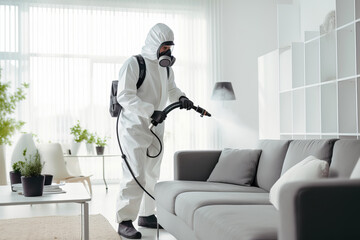
Finding pests in your home can be frustrating, but choosing a pest control company should not be a rushed decision. Different companies may use different inspection methods, treatments, service schedules, warranties, and pricing structures, so it’s important to understand exactly what you are paying for. A reliable pest control provider should be able to explain the pest problem, recommend an appropriate treatment plan, discuss safety precautions, and provide clear expectations about follow-up service. Asking the right questions before hiring a pest control company can help homeowners compare providers and choose a service that fits their property and pest-control needs. Go to https://www.benspest.biz/ for more details.
What Experience Does the Pest Control Company Have?
One of the first questions to ask is how much experience the company has with the specific pest affecting your property. Pest control is not a single standardized treatment because ants, cockroaches, rodents, termites, bed bugs, and other pests have different behaviors and require different management strategies. A company that regularly handles your particular problem may be better prepared to identify nesting locations and contributing conditions. Ask how they typically approach similar infestations.
Experience should also include the type of property being treated. Pest problems in single-family homes can differ from those in apartment buildings, restaurants, offices, warehouses, and other commercial properties. A knowledgeable provider should understand how building construction and property use can influence pest activity. They should be willing to explain their approach rather than immediately recommending a generic treatment.
Is the Pest Control Company Properly Licensed and Insured?
Ask whether the company and technicians have the licenses or certifications required by the applicable local or regional authorities. Requirements vary depending on location and the services being performed, so homeowners should verify the credentials relevant to their area. A reputable company should be willing to provide information about its licensing. You can also ask how its technicians are trained.
Insurance is another important consideration. Ask whether the company maintains appropriate business and liability insurance for the services it performs. This provides an additional layer of protection if property damage or another unexpected issue occurs during service. Rather than simply assuming a professional-looking company has the necessary credentials, request confirmation before signing a service agreement.
Will You Inspect My Property Before Recommending Treatment?
An inspection can be an important part of effective pest control because visible pests may represent only a small portion of an infestation. Ask whether the company will inspect the property before deciding on a treatment plan. Technicians may need to look for droppings, nests, moisture, food sources, structural openings, and other signs of activity. Identifying these conditions can help determine where pests are coming from and why they are staying.
Be cautious about assuming that every pest problem requires exactly the same treatment. The location and severity of an infestation can significantly affect the appropriate approach. A professional should be able to explain what was discovered during the inspection and how those findings influenced the proposed service. This gives you a clearer understanding of what you are paying to have corrected.
What Pest Control Treatment Do You Recommend?
Before approving service, ask exactly how the company intends to address the infestation. Depending on the pest, the treatment plan might involve traps, bait stations, targeted product applications, monitoring, exclusion, sanitation recommendations, or a combination of approaches. Ask why the selected method is appropriate for your particular situation. A clear explanation can help you understand both the immediate treatment and the longer-term strategy.
You should also ask whether treatment will occur indoors, outdoors, or in both areas. Find out which rooms or parts of the property require access and whether furniture, appliances, stored belongings, or other objects need to be moved beforehand. Understanding the scope of treatment prevents surprises on the service day. It also allows you to complete any necessary preparation in advance.
What Products Will You Use in My Home?
Ask what pest-control products will be used and where they will be applied. The company should be able to explain the purpose of the products involved and provide relevant instructions concerning preparation and re-entry. Products should be used according to their labels and applicable requirements. Homeowners should feel comfortable asking questions about anything being applied inside or around their property.
This discussion is particularly important when children, pets, or other household considerations may affect preparation. Inform the pest control provider about relevant circumstances before treatment begins so appropriate instructions can be provided. Do not assume that every treatment requires the same precautions. Follow the company’s product-specific directions carefully.
Do I Need to Leave My Home During Treatment?
Whether you need to leave depends on the pest, treatment method, and products being used. Some services may allow household members to remain in unaffected areas, while others can require temporary evacuation or restricted access to treated spaces. Ask about this before scheduling so you can make appropriate arrangements. You should also ask when it is acceptable to return to or use treated areas.
If preparation or re-entry instructions are provided, follow them rather than relying on general pest-control advice found elsewhere. Treatment procedures can vary considerably. Ask for clarification if any instruction is unclear. Knowing what to expect makes the appointment easier to manage and helps ensure the treatment is performed as intended.
How Many Treatments Will Be Necessary?
Some pest problems can be controlled with a relatively straightforward service, while others require multiple treatments and ongoing monitoring. Ask the company how many visits it expects your infestation to require and why. Cockroaches, bed bugs, rodents, termites, and other persistent pests may require different follow-up strategies. Infestation severity can also influence the treatment schedule.
No responsible company can guarantee exactly how every infestation will respond, so ask what indicators will be used to evaluate progress. Find out what should happen if pests are still visible after the initial treatment. Understanding the follow-up process is especially important when comparing estimates from multiple providers. A lower initial price may not represent the lower total cost if additional visits are charged separately.
How Long Will It Take for the Pest Control Treatment to Work?
Homeowners often expect pests to disappear immediately after treatment, but that does not always happen. Certain methods are designed to work gradually, particularly when baits need to reach hidden pest populations. Ask when you should expect to see a noticeable reduction in activity. The company should also explain whether temporary increases in visible activity are possible after treatment.
Ask when continued pest activity should become a concern. Knowing the expected timeline makes it easier to distinguish normal post-treatment activity from a treatment that may require adjustment. It can also prevent homeowners from interfering with baits or treated areas prematurely. Clear expectations are an important part of professional pest management.
Does the Company Offer a Warranty or Service Guarantee?
Ask whether the service includes any warranty, guarantee, or complimentary follow-up period. If it does, request the details in writing. Find out which pests and treatments are covered, how long the coverage lasts, and what conditions homeowners must meet to keep it valid. Some guarantees may depend on completing recommended exclusion or sanitation measures.
You should also understand what the guarantee actually promises. Pest control cannot necessarily prevent every future pest from entering a property, particularly when environmental conditions continue to create opportunities for infestation. A good service agreement should clearly define what happens if the original problem persists or returns. Read these terms before committing to a long-term contract.
How Much Will Pest Control Cost?
Ask for a clear estimate describing the services included in the price. Pest control costs can vary according to pest type, infestation severity, property size, treatment method, number of visits, and whether exclusion or repair work is required. A detailed estimate makes it easier to compare providers fairly. The cheapest quoted price may not include the same level of service as another company’s estimate.
Ask specifically about additional charges. Follow-up treatments, monitoring, emergency visits, specialized treatments, or structural exclusion work may be priced separately. If the company offers a recurring service plan, find out how frequently visits occur and how cancellation works. Understanding the total potential cost prevents unexpected expenses later.
Will You Help Prevent the Pests From Returning?
Effective pest management should address more than the pests currently visible. Ask whether the company will identify conditions contributing to the infestation, such as gaps around utility lines, damaged door seals, food sources, plumbing leaks, standing water, or exterior vegetation. Recommendations for correcting these problems can make treatment more effective. Prevention can be particularly valuable for properties with recurring infestations.
Some companies may provide exclusion services, while others simply identify openings that need to be repaired by the homeowner or another contractor. Ask what is included in the quoted service. You should also find out what maintenance responsibilities remain with you after treatment. Long-term pest management works best when professional treatment and property maintenance support each other.
What Should I Do Before and After Pest Control Treatment?
Ask for preparation instructions before the technician arrives. Depending on the service, you might need to store food, remove pet items, clear areas beneath sinks, move furniture, or provide access to specific rooms. Completing these steps beforehand can make the inspection and treatment more efficient. Avoid doing unnecessary preparation based on assumptions, since different treatments have different requirements.
Post-treatment instructions are equally important. You may need to avoid cleaning certain treated locations temporarily, leave bait stations undisturbed, monitor specific areas, or correct sanitation and moisture problems. Ask what pest activity you should document before a follow-up visit. Following these instructions can help the treatment work as intended.
How Can You Choose the Right Pest Control Company?
Choosing a pest control company should involve more than comparing prices. Consider the company’s credentials, experience with your specific pest, inspection process, proposed treatment, communication, follow-up service, and written terms. A provider should be willing to answer reasonable questions and explain recommendations without relying on confusing or vague claims. You should understand the service before agreeing to it.
Pay particular attention to whether the company is focused on identifying the cause of the infestation. Repeatedly treating visible pests without considering entry points, moisture, food sources, and nesting areas may provide only temporary relief. A comprehensive approach combines treatment with prevention and monitoring. That strategy can provide better long-term pest management.
Final Thoughts
Knowing what questions to ask before hiring a pest control company can make it easier to select a qualified provider and understand exactly what the service includes. Ask about licensing and insurance, experience with your particular pest, inspection procedures, treatment methods, product precautions, costs, follow-up visits, guarantees, and prevention recommendations. You should also receive clear instructions about preparing your home and what to expect after treatment. Rather than choosing solely on price, compare the complete treatment plans and level of service being offered. Taking time to evaluate a pest control company before hiring can help you make a more informed decision and develop a stronger long-term strategy for protecting your home.