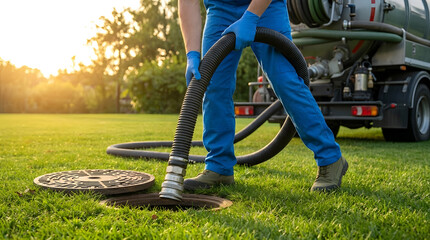
A septic system plays a critical role in managing wastewater for properties that are not connected to a municipal sewer network. While it often operates quietly in the background, neglecting regular maintenance can lead to unpleasant odors, slow drains, backups, and costly repairs. One of the most important aspects of septic system maintenance is septic tank cleaning.
Many property owners do not think about their septic tank until a problem arises. However, understanding the septic tank cleaning process can help prevent major issues and extend the lifespan of the entire system. This guide explains how septic tank cleaning works, why it is necessary, and what to expect during the procedure. Contact The Septic Guys for more details.
Why Septic Tank Cleaning Is Important
A septic tank is designed to collect and treat wastewater from sinks, toilets, showers, and household appliances. Inside the tank, solid waste settles at the bottom to form sludge, while oils and grease float to the top as scum. The liquid wastewater remains in the middle layer and eventually flows out to the drain field for further treatment.
Over time, sludge and scum accumulate inside the tank. If these materials are not removed periodically, they can reduce the tank’s capacity and interfere with its ability to process wastewater effectively. This buildup can result in blockages, sewage backups, and damage to the drain field.
Routine septic tank cleaning helps maintain proper system function by removing excess waste before it reaches problematic levels. It also provides an opportunity to inspect the tank and identify potential issues before they become serious.
Signs That a Septic Tank Needs Cleaning
Several warning signs may indicate that a septic tank is overdue for cleaning. Slow-draining sinks, tubs, and toilets are among the most common symptoms. When wastewater cannot move through the system efficiently, drainage throughout the property may become sluggish.
Unpleasant odors around drains, outdoor areas near the tank, or the drain field can also signal excessive waste accumulation. In some cases, standing water or unusually lush patches of grass may appear near the drain field due to wastewater surfacing above ground.
Gurgling sounds in plumbing fixtures may suggest that trapped air is struggling to move through partially blocked pipes. More severe cases can result in sewage backups inside the property, creating health hazards and requiring immediate attention.
Regular inspections and scheduled cleaning can prevent these issues from developing and help maintain a safe and efficient wastewater system.
Preparing for the Septic Tank Cleaning Process
Before cleaning begins, the technician must locate the septic tank and uncover the access lids. Some tanks have multiple compartments, each requiring inspection and servicing. The access points may be buried beneath soil, landscaping, or other surface materials.
Once the lids are exposed, safety precautions become extremely important. Septic tanks contain hazardous gases that can be dangerous when inhaled. Only trained professionals should perform inspections and cleaning procedures.
The technician will typically assess the condition of the tank and measure the levels of sludge and scum. This evaluation helps determine whether cleaning is necessary and provides valuable information about the overall health of the system.
Property owners can assist by providing access to the tank area and sharing any recent issues they have experienced, such as odors, slow drainage, or backups.
The Step-by-Step Septic Tank Cleaning Process
The septic tank cleaning process involves several key stages designed to remove accumulated waste safely and efficiently.
First, the technician opens the tank and conducts a visual inspection. This allows them to examine the condition of the tank walls, baffles, and other internal components. Any signs of damage, corrosion, or structural deterioration are noted for further evaluation.
Next, specialized vacuum equipment is used to remove the contents of the tank. A powerful pump connected to a vacuum truck extracts both liquid and solid waste from the tank. This process removes sludge from the bottom and scum from the surface.
During pumping, the technician may use tools to break apart compacted solids that have settled over time. Agitating the contents helps ensure that all waste materials are removed effectively.
After the tank is emptied, the interior can be inspected more thoroughly. The technician checks for cracks, leaks, root intrusion, damaged baffles, and other potential problems that may affect system performance.
In some situations, the tank may be rinsed with water to remove remaining residue. This step is not always necessary but can help improve visibility during inspections.
Once cleaning and inspection are complete, the access lids are securely replaced, and the work area is restored as closely as possible to its original condition.
What Happens to the Waste After Cleaning
Many people wonder what happens to the waste removed during septic tank cleaning. The collected material is transported by vacuum truck to an approved treatment facility where it undergoes processing and disposal according to environmental regulations.
Treatment facilities use specialized methods to separate solids, treat wastewater, and reduce harmful contaminants before releasing treated water back into the environment. Proper disposal is essential for protecting public health and maintaining environmental safety.
Professional septic service providers follow strict guidelines to ensure that waste is handled responsibly throughout the cleaning and transportation process.
How Often Should a Septic Tank Be Cleaned?
The frequency of septic tank cleaning depends on several factors, including tank size, household occupancy, water usage, and the amount of solid waste entering the system.
Many residential septic tanks benefit from cleaning every three to five years. However, larger households or properties with higher wastewater production may require more frequent service. Smaller households may be able to extend the interval between cleanings if inspections indicate that sludge levels remain within acceptable limits.
Regular inspections provide the most reliable way to determine the appropriate cleaning schedule. A professional assessment can identify accumulation rates and recommend maintenance intervals based on actual system conditions.
Waiting until problems appear is generally not advisable, as preventive cleaning is often far less expensive than repairing damage caused by neglect.
Common Mistakes That Can Shorten Septic System Life
Proper septic tank maintenance extends beyond routine cleaning. Certain habits can place unnecessary strain on the system and increase the likelihood of problems.
Flushing non-biodegradable items such as wipes, paper towels, hygiene products, and excessive amounts of household chemicals can disrupt the natural processes occurring inside the tank. These materials may contribute to blockages and reduce treatment efficiency.
Excessive water usage can also overwhelm the system. Large volumes of water entering the tank within a short period may prevent solids from settling properly and increase the risk of waste reaching the drain field.
Tree roots pose another potential threat. Roots seeking moisture can infiltrate tanks and pipes, causing structural damage and flow restrictions. Maintaining appropriate landscaping around the septic system can help minimize this risk.
Regular inspections, responsible waste disposal practices, and timely cleaning all contribute to longer system life and more reliable performance.
Choosing a Professional Septic Tank Cleaning Service
Selecting a qualified professional is essential for safe and effective septic tank cleaning. Experienced technicians have the equipment, training, and knowledge needed to perform the work correctly while identifying potential issues that may otherwise go unnoticed.
When evaluating service providers, property owners should look for proper licensing, insurance, and a strong reputation for quality work. Reading customer reviews and requesting references can provide additional insight into a company’s reliability and professionalism.
A reputable technician will explain the cleaning process, answer questions, and provide recommendations for ongoing maintenance. Transparent communication helps property owners make informed decisions about their septic system care.
Final Thoughts
The septic tank cleaning process is a crucial part of maintaining a healthy and efficient wastewater system. By removing accumulated sludge and scum, professional cleaning helps prevent backups, protect the drain field, and extend the lifespan of the entire septic system. Understanding how the process works allows property owners to take a proactive approach to maintenance and avoid costly repairs. With regular inspections, responsible usage habits, and timely cleaning, a septic system can continue operating effectively for many years while providing dependable wastewater treatment.