Water damage is one of the most common and costly problems that homeowners and commercial property owners face. Whether it is caused by a burst pipe, leaky roof, flooding, or appliance malfunction, water intrusion can compromise the structural integrity of a building, damage personal belongings, and create an environment conducive to mold and bacterial growth. Effective Salt Lake Water Damage Repair is essential to restore safety, functionality, and long-term value to a property.
Addressing water damage promptly reduces repair costs, prevents further deterioration, and safeguards the health of occupants. Understanding the causes, recognizing warning signs, and utilizing professional repair services are key components of a comprehensive water damage management plan.
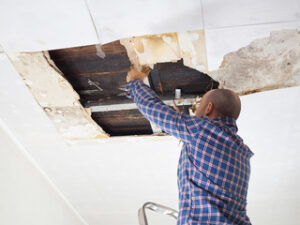
Understanding Water Damage
Water damage occurs when excessive moisture infiltrates a property, affecting structural materials, finishes, and contents. Even minor leaks, if left unaddressed, can lead to serious problems over time. Water can warp wood, weaken drywall, damage flooring, and compromise electrical systems.
Additionally, moisture creates ideal conditions for mold growth, which can begin within 24 to 48 hours. Mold not only damages property but also poses significant health risks, including allergies, asthma, and respiratory infections. Timely water damage repair is critical to prevent these consequences and maintain a safe indoor environment.
Common Causes of Water Damage
Water damage can stem from a variety of sources. Understanding these causes helps property owners identify risks and take preventive measures. Common causes include:
- Plumbing Issues: Burst pipes, leaking faucets, and sewer backups are frequent culprits.
- Natural Disasters: Floods, heavy rain, and hurricanes can overwhelm drainage systems and cause significant water intrusion.
- Roof Leaks: Damaged or aging roofs allow rainwater to seep into attics, ceilings, and walls.
- Appliance Failures: Malfunctioning washing machines, dishwashers, water heaters, or HVAC systems can result in water leaks.
- Poor Drainage: Clogged gutters, improper grading, or foundation issues can allow water to seep into basements or crawl spaces.
Identifying the source of water damage is essential for effective repair and long-term prevention.
The Risks of Delayed Water Damage Repair
When water damage is not addressed promptly, it can lead to extensive property damage and health risks.
1. Structural Damage
Water can compromise wood, drywall, concrete, and other structural elements. Left untreated, this can result in sagging floors, weakened walls, and in severe cases, foundation issues. Structural damage can be particularly problematic in commercial buildings with heavier load requirements.
2. Mold and Mildew Growth
Moist environments are ideal for mold growth. Mold can begin to develop within 24 to 48 hours of water exposure and can spread rapidly. Mold not only damages property but also affects indoor air quality and can trigger health problems.
3. Electrical Hazards
Water infiltration can reach electrical systems, creating short circuits, fire risks, and potential electrocution hazards. Immediate water removal and repair are crucial to ensure safety.
4. Damage to Belongings
Furniture, electronics, important documents, and inventory can be severely damaged by water. Professional water damage repair services often focus on salvaging and restoring these items to minimize losses.
Professional Water Damage Repair Services
Effective water damage repair requires a comprehensive approach. Professional services combine expertise, advanced equipment, and proven techniques to restore properties efficiently and safely.
1. Assessment and Inspection
The first step in water damage repair is a thorough inspection. Technicians use moisture meters, thermal imaging, and visual inspections to identify affected areas. Understanding the extent of the damage is critical for developing an effective repair plan.
2. Water Removal and Extraction
Standing water is removed using industrial pumps, wet vacuums, and other specialized equipment. Rapid extraction prevents further damage to structural elements and reduces the risk of mold growth.
3. Drying and Dehumidification
After water removal, industrial air movers and dehumidifiers are used to dry walls, floors, ceilings, and structural components. Moisture meters and sensors monitor progress to ensure all areas are completely dry, preventing long-term deterioration.
4. Cleaning and Sanitization
Water-damaged areas are cleaned and sanitized to remove bacteria, contaminants, and potential allergens. This process may include treating carpets, furniture, and personal belongings with antimicrobial solutions to prevent mold and restore usability.
5. Structural Repair and Restoration
Significant water damage may require repair or replacement of drywall, flooring, insulation, or framing components. Structural repair restores the property to its pre-damage condition, ensuring safety and functionality. For commercial properties, this may also involve equipment or inventory restoration.
6. Mold Prevention
A key component of water damage repair is preventing mold. Professional services identify high-risk areas, remove contaminated materials, and apply mold inhibitors. Proper drying and ventilation techniques further reduce the risk of mold development after the repair process.
Types of Water Damage
Water damage is categorized based on the level of contamination, which influences repair strategies:
- Clean Water: Comes from uncontaminated sources such as broken pipes or rainwater. It is generally easier to manage with standard repair methods.
- Grey Water: Originates from appliances or sinks and may contain contaminants. Requires proper sanitization to prevent health risks.
- Black Water: Includes sewage backups or floodwaters contaminated with bacteria and toxins. Specialized repair and decontamination are required to ensure safety.
Professional repair services are trained to handle all types of water damage, ensuring safe and effective restoration.
Preventive Measures for Water Damage
Prevention is as important as repair. Property owners can take steps to minimize the risk of water damage and reduce future repair needs:
- Regular Plumbing Maintenance – Inspect pipes, faucets, and water systems to identify leaks or weaknesses.
- Roof and Gutter Inspections – Ensure roofs are intact and gutters are clear to prevent water accumulation.
- Proper Drainage and Grading – Maintain landscaping and foundation grading to direct water away from the building.
- Appliance and HVAC Maintenance – Regularly check appliances and HVAC systems for leaks or failures.
- Moisture Detection – Install water leak sensors or moisture alarms to catch problems early.
Implementing these preventive measures can reduce the frequency and severity of water damage incidents.
Signs You Need Water Damage Repair
Certain indicators suggest that professional repair is required:
- Standing water or damp areas within the property.
- Musty odors indicate potential mold growth.
- Water stains, discoloration, or warping of walls, ceilings, or floors.
- Buckling, swelling, or softening of structural materials.
- Persistent leaks despite minor repairs.
- Visible mold or mildew growth.
Professional assessment ensures that all affected areas are treated properly, preventing further damage and health risks.
Choosing the Right Water Damage Repair Service
Selecting a professional service is critical for effective and lasting results. Key factors include:
- Experience and Certification – Look for technicians with proven experience in water damage repair and industry certifications, such as IICRC.
- Response Time – Prompt service is essential to reduce damage and prevent mold growth.
- Advanced Equipment – Industrial pumps, dehumidifiers, and moisture detection tools are necessary for thorough repair.
- Comprehensive Services – The provider should offer extraction, drying, cleaning, sanitization, and structural restoration.
- Transparent Pricing and Guarantees – Clear estimates, warranties, and follow-up support ensure confidence in the service.
A reputable repair service ensures safe, efficient, and comprehensive restoration of your property.
Water damage can have serious consequences for both residential and commercial properties. From structural deterioration and mold growth to damaged belongings and health hazards, the risks are significant. Timely and professional water damage repair is essential for restoring safety, functionality, and property value.
Professional repair services provide a comprehensive approach, including water extraction, drying, cleaning, sanitization, structural repair, and mold prevention. Early intervention minimizes losses, reduces repair costs, and ensures long-term protection.
Preventive measures, such as plumbing inspections, roof and gutter maintenance, proper drainage, and moisture monitoring, help reduce the likelihood of future water damage incidents. Investing in professional water damage repair services safeguards property, health, and peace of mind, ensuring that homes and commercial buildings remain safe, functional, and durable.